Record the reference.
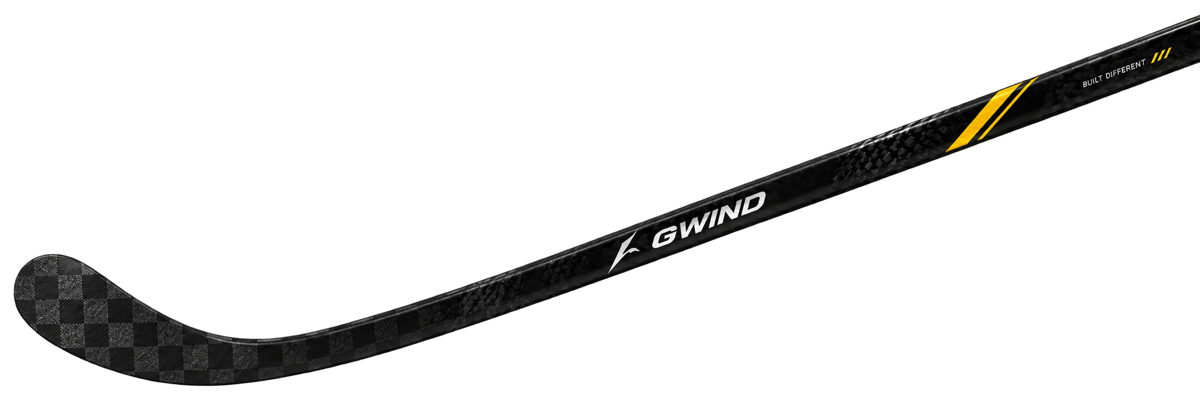
Write down the model, handedness and marked specifications on the stick you already use. Photograph the blade and any areas where the feel or shape matters to you. A reference is most useful when someone else can identify exactly what you mean.
Separate the markings on the stick from your own measurements. If a value is an estimate, label it as an estimate.
Describe length consistently.
Include the length you want and explain how it was measured. A number without a measurement method can be ambiguous. A photograph with the measurement points identified can help clarify the request.
Mention whether the reference has been cut or extended. Confirm the factory measurement convention before comparing it with your current stick.
Keep flex and curve questions specific.
Record the marked flex and curve code of the reference, then describe the change you are looking for in your own words. You can discuss several options without claiming that the same label guarantees the same feel.
Use the GWIND curve names when choosing a website option. For a production match, ask for drawings or samples rather than relying on the illustration alone.
Make one brief.
Bring your confirmed preferences and open questions into a single document. Include the player level, handedness, quantity and the details of the current reference.
If you are unsure, leave the specification open for review. A concise explanation of your playing style or project is more useful than an arbitrary selection.