
None
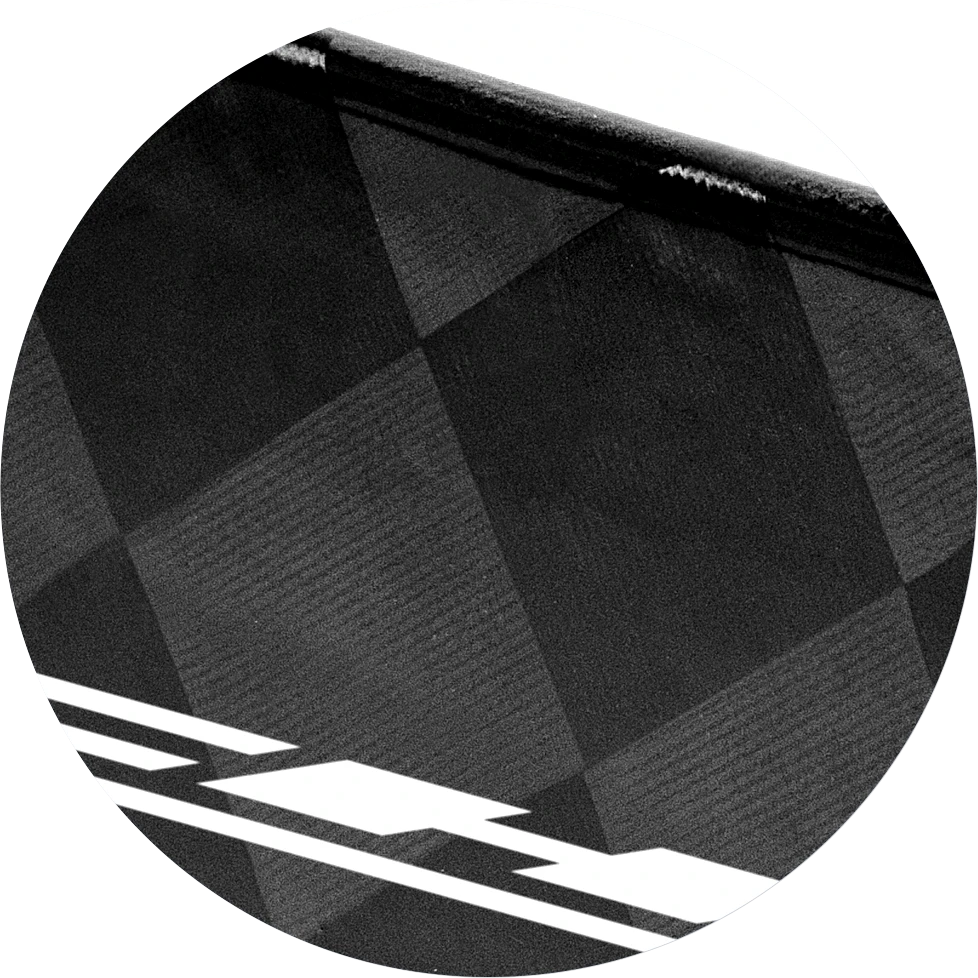
Smooth surface finish without an added tactile texture. Compare the feel with your usual puck or ball and tape setup.
Best For
- Clean blade feel
- Usual shooting setup
- Traditional ice hockey
THE GWIND SPECIFICATION GUIDE
Get closer to the puck feel you want, one surface choice at a time.
A clearer specification starts with the details.
In the GWIND specification guide, blade type refers to surface finish: smooth, textured or grit. It describes the coating or texture you feel on the outside of the blade, rather than the curve, handedness or internal blade construction.
A smooth finish has no added surface texture. A textured finish introduces a lighter tactile pattern, while grit has a rougher, sandpaper-like surface. Use these names alongside a sample or reference when requesting a particular feel.
The surface changes the contact feel between the blade and puck or ball. Tape, surface conditions and your technique also affect that contact, so compare finishes with the setup you actually use.
Treat texture as a separate choice from curve and carbon appearance. Describe your playing surface, whether you tape the blade and how much grip you prefer. A visual preview cannot reproduce tactile feel; review a sample when that feel is central to your request.
Blade finish influences puck contact and release feel. Explore smooth, textured and sand finishes, then confirm the finish for your GWIND build.
Smooth surface finish without an added tactile texture. Compare the feel with your usual puck or ball and tape setup.
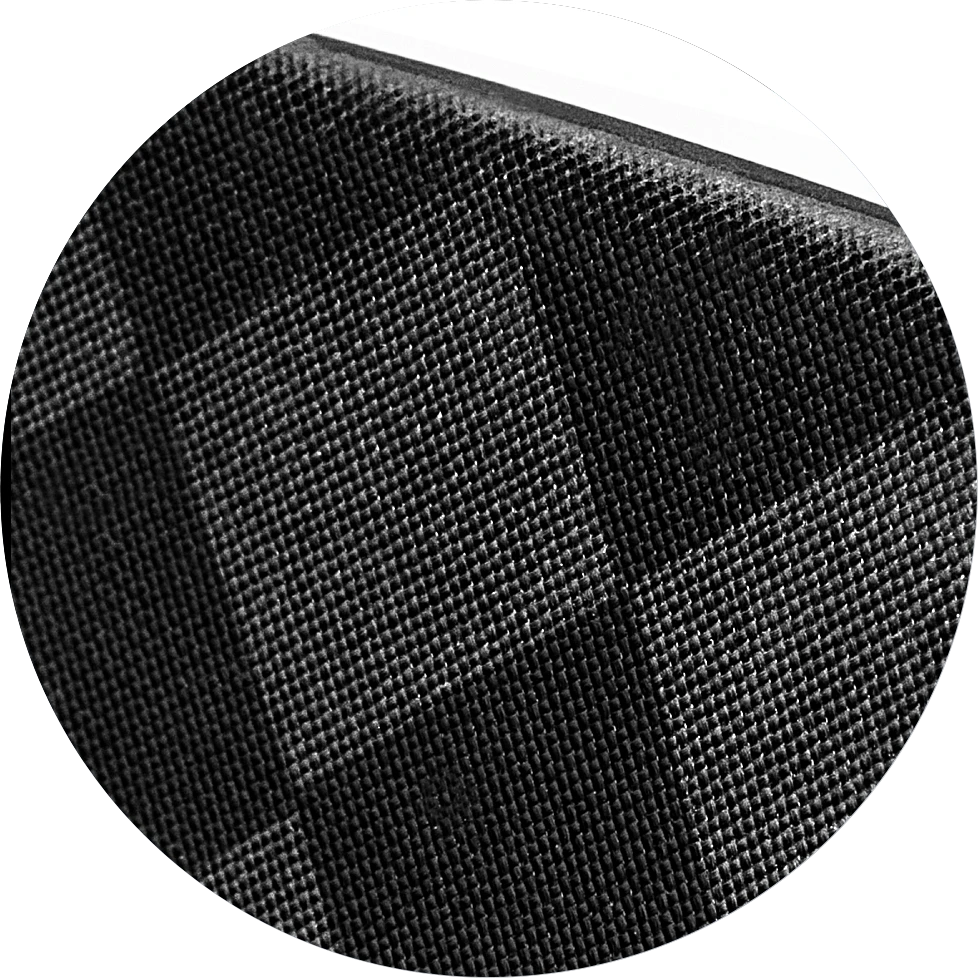
Light surface texture for a different tactile feel. Compare an actual sample with your usual tape setup.
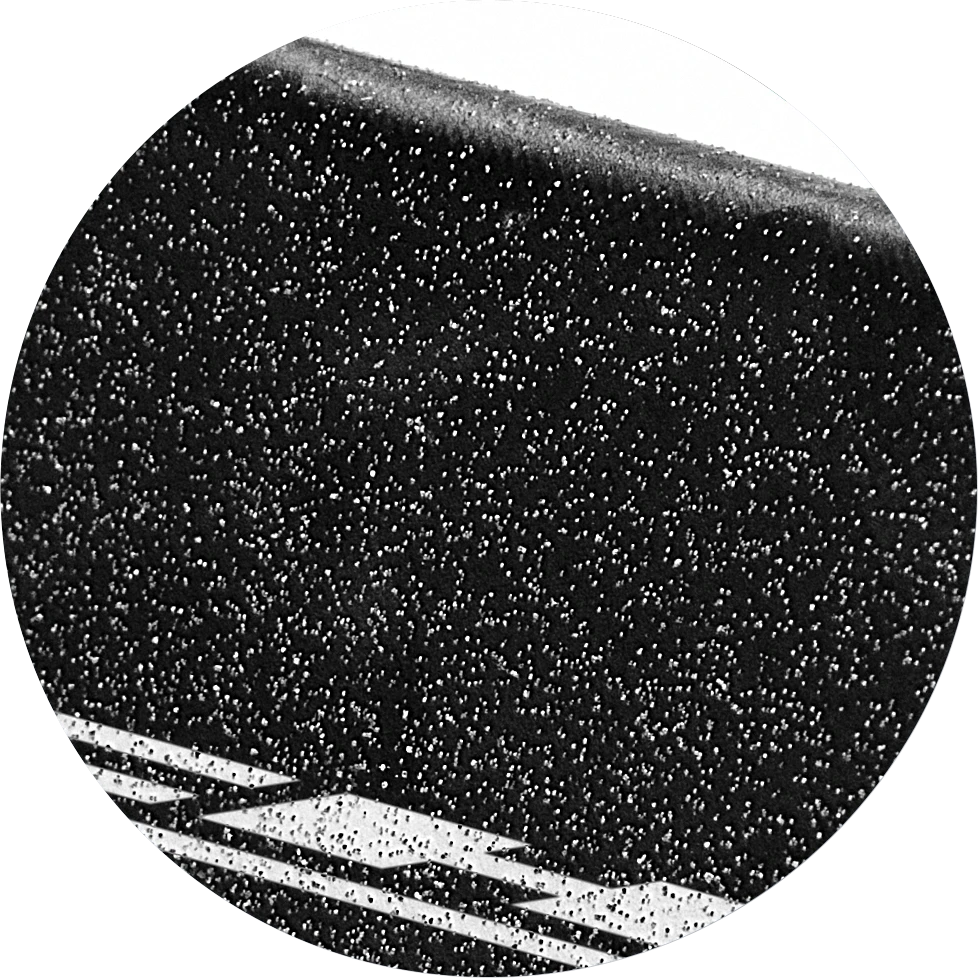
A rough, sandpaper-like surface finish. Compare its tactile feel with the puck or ball and tape setup you use.
Hold a stick naturally, shoot and handle a puck. Choose the comfortable, balanced side with instinctive control. See Player Side.
Build details and availability are confirmed with GWIND for your project.
DISCUSS YOUR SPECSBLADE TYPE / QUESTIONS, ANSWERED
Common questions about blade type, before you settle on your specification.
ASK GWINDNo. Texture describes the surface; curve describes the blade’s shape. Record both in your specification so a request for more grip is not confused with a request for a different pattern.
Textured is the lighter surface option shown below. Grit has a rougher, sandpaper-like finish. Compare actual samples with your puck or ball and usual tape setup to decide which feel you prefer.
Do not assume so. Tape and a blade coating create different contact surfaces, and some players use both. State your normal taping routine when discussing the finish and check the combination on a sample.
Explain whether you play ice, roller or dek hockey, the puck or ball you use and your grip preference. GWIND can then confirm the offered finish and sample scope for that setup.